
Why Do Disposable Vapes Auto-Fire?
Posted by Vape 702 on Apr 10th 2026
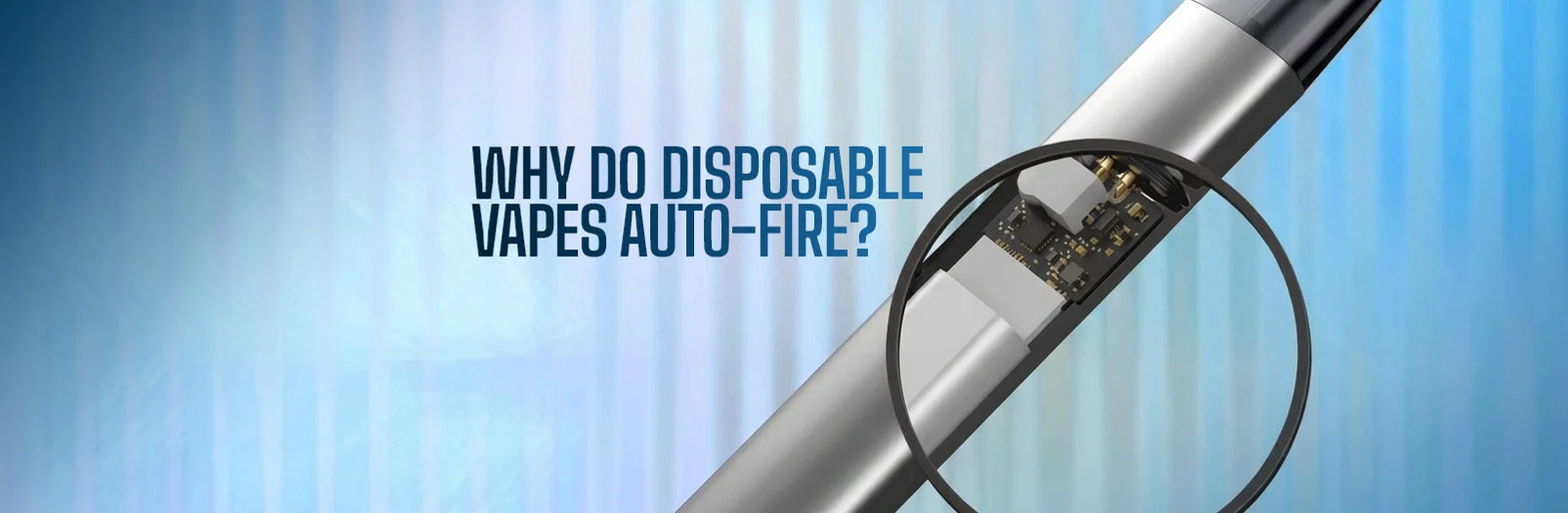
If you've run a vape shop for any length of time, you've probably had a customer come back with a device that just won't stop firing on its own. It's an unsettling thing to deal with, both for the customer and for you as the retailer trying to figure out whether it's a one-off issue or a sign of a bigger problem with that batch.
It's worth saying upfront: this isn't a rare, freak occurrence. It's one of the more common defect complaints retailers deal with, which is exactly why having a clear process for handling it matters more than trying to diagnose every single unit from scratch.
What Does "Auto-Firing" Mean in a Disposable Vape?
Auto-firing happens when a disposable device activates and heats the coil without the user pressing a button or inhaling, sometimes briefly, sometimes continuously until the battery is drained.
Since most disposables don't have a manual fire button at all, they rely entirely on internal sensors to detect airflow and trigger heating. When those sensors malfunction, the device can fire on its own, which is both a performance issue and, in some cases, a safety concern.
Why Do Disposable Vapes Auto-Fire? Common Causes
In most cases, it comes down to one of a few root causes:
-
Battery defect: a damaged or poorly manufactured battery can short internally and trigger heating without input
-
Faulty sensor: the airflow or pressure sensor that's supposed to detect a draw misreads and fires the coil unprompted
-
Manufacturing fault: inconsistent quality control during assembly can leave internal components loosely connected, which sometimes causes intermittent firing
Plus, devices that have been dropped, exposed to extreme heat, or stored improperly are more likely to develop these issues, even if they left the factory in good condition.
How to Handle Defective Vape Stock
If you suspect you've got a defective unit, or worse, a defective batch, here's a simple process to follow:
-
Pull the device from sale immediately and isolate it from active stock
-
Document the issue, including when it was purchased, the batch or lot number if visible, and what symptoms the customer reported
-
Test a few additional units from the same batch to see if the problem is isolated or widespread
-
Contact your supplier with the documentation to determine whether the batch needs to be returned or replaced
-
Avoid reselling any device that's shown signs of malfunction, even if it seems to be working again
Handling this quickly protects both your customers and your shop's reputation.
Preventing Auto-Firing Issues Before They Reach the Shelf
While disposable vape auto firing can't always be predicted, a few preventive habits reduce how often it shows up in your store:
-
Inspect units on arrival: A quick visual check for cracked casings or loose components can catch manufacturing faults before stock goes out.
-
Avoid stacking or compressing inventory: Pressure on the device body can affect internal sensors over time.
-
Store within recommended temperature ranges: Extreme heat or cold can affect both battery performance and sensor accuracy.
-
Educate customers on handling: Dropped devices are more likely to develop auto-firing issues, so a quick "handle with care" note at checkout isn't overkill.
-
Keep supplier batch records: If auto-firing complaints start clustering around a specific shipment, having records on hand for wholesale vape quality control makes it much faster to flag the issue and avoid reselling a defective vape shop return policy template situation down the line.
Most auto-firing complaints are isolated, but a habit of catching them early protects both customer trust and your bottom line.
Leaking Disposable Vape Batch: Solutions for Retailers
A leaking disposable vape batch is a related but slightly different problem, usually caused by manufacturing seal issues rather than electrical faults.
If you notice multiple units from the same shipment leaking e-liquid:
-
Check storage conditions first; extreme temperature swings can cause seals to expand and contract
-
Inspect a sample of unopened units before they reach the shelf
-
Flag the batch with your supplier so they can check it against other reported issues
-
Keep leaking units separated from saleable stock to avoid cross-contamination of packaging
Wholesale Vape Quality Control Checklist
Strong wholesale vape quality control starts before the product ever reaches your shelves. A basic wholesale vape quality control check should include:
-
Inspect packaging for damage, tampering, or inconsistent sealing
-
Spot-check a percentage of each shipment for functional defects
-
Confirm battery charge and basic firing function on sample units
-
Cross-check batch numbers against any known recall or defect reports from the supplier
-
Log results so patterns across shipments are easy to spot over time
This kind of process doesn't take long once it's built into your receiving routine, and it catches most problems before a customer ever does.
Vape Shop Return Policy Template
Having a clear vape shop return policy template makes defective stock situations much easier to manage.
A simple structure to work from:
-
Defective products: full refund or exchange within 14–30 days with proof of purchase
-
Opened or used products: returns accepted only for verified manufacturing defects, not buyer's remorse
-
Documentation required: receipt or order number, plus a brief description of the issue
-
Processing time: clearly state how long refunds or exchanges typically take
Posting this policy visibly, both in-store and online, sets expectations and reduces disputes.
Reducing Vape Storefront Margin Loss
Defective stock doesn't just cost you the product, it eats into margin through returns, refunds, and the time spent managing complaints.
A few practical ways of reducing vape storefront margin loss:
-
Buy from verified, consistent suppliers rather than chasing the lowest price on unfamiliar brands
-
Build quality control into receiving, not just into customer complaints
-
Track which SKUs generate the most returns and reconsider stocking them
-
Lean on top-selling, verified brands that have a track record of consistent manufacturing
The Safer Route
Auto-firing issues are frustrating, but they're also avoidable with the right quality control habits and a supplier you can trust.
If you're looking to stock devices with a stronger track record, browse our Top-Selling Verified Brands collection for disposables that come with consistent manufacturing standards behind them.
FAQs
Is an auto-firing vape dangerous?
It can be. An auto-firing device can overheat, drain its battery rapidly, or in rare cases pose a fire risk, so it should be pulled from use immediately rather than continuing to be used or sold.
Can I return a defective disposable vape?
Yes, most reputable suppliers will accept returns or exchanges on defective units, especially when the issue is documented and reported promptly.
How do I know if it's one bad device or a bad batch?
Test a few additional units from the same shipment or batch number. If more than one shows the same symptom, treat it as a batch issue and contact your supplier right away.